One-Time Character Packs vs Subscription: Which Pricing Model Fits Your Presentation Video Needs
Understanding the Two Core Pricing Models for Presentation Video Tools
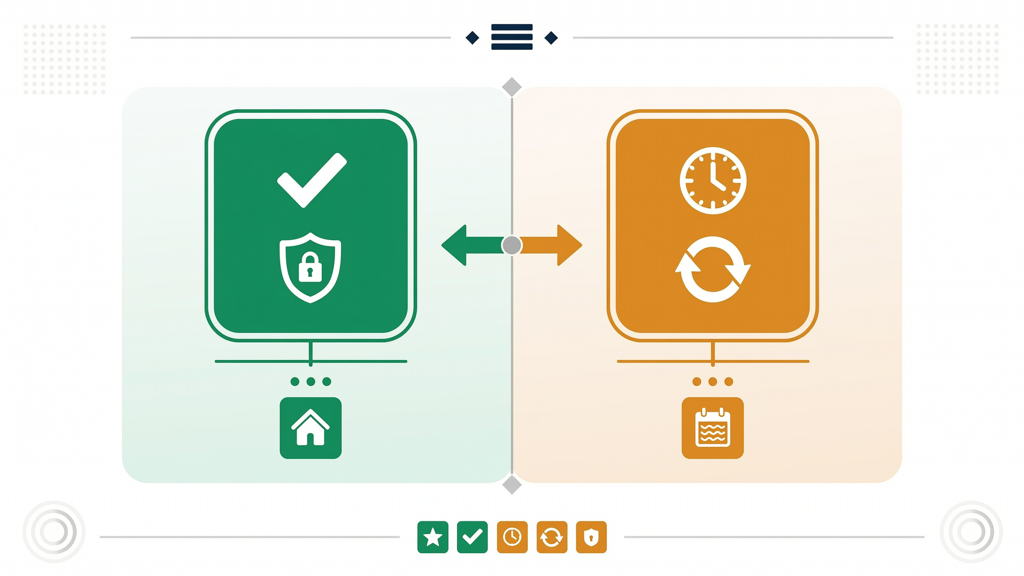
When choosing an AI-powered tool to turn presentations into engaging video content, your decision shouldn’t hinge only on features or voice quality—it must also reflect how you actually work. At the heart of that decision lies a fundamental choice: one-time pricing vs subscription video tool. These aren’t just different price tags—they represent distinct philosophies about software ownership, long-term value, and creative control.
On one side stands the subscription model: users pay recurring fees—monthly or annually—for continued access to characters, voices, templates, and updates. Access typically expires if payments stop. On the other side is the one-time purchase model, where users acquire permanent rights to specific assets—like character packs—with no renewal required. Neither is inherently superior; the right fit depends entirely on your usage rhythm, budget discipline, and expectations for continuity.
This article cuts through marketing noise to compare these models objectively—not by speculating on competitors’ undisclosed plans or fluctuating rates—but by clarifying how each functions, what it delivers over time, and when one clearly outperforms the other for real-world presentation video needs.
How SlideToTalk’s One-Time Character Pack Model Works
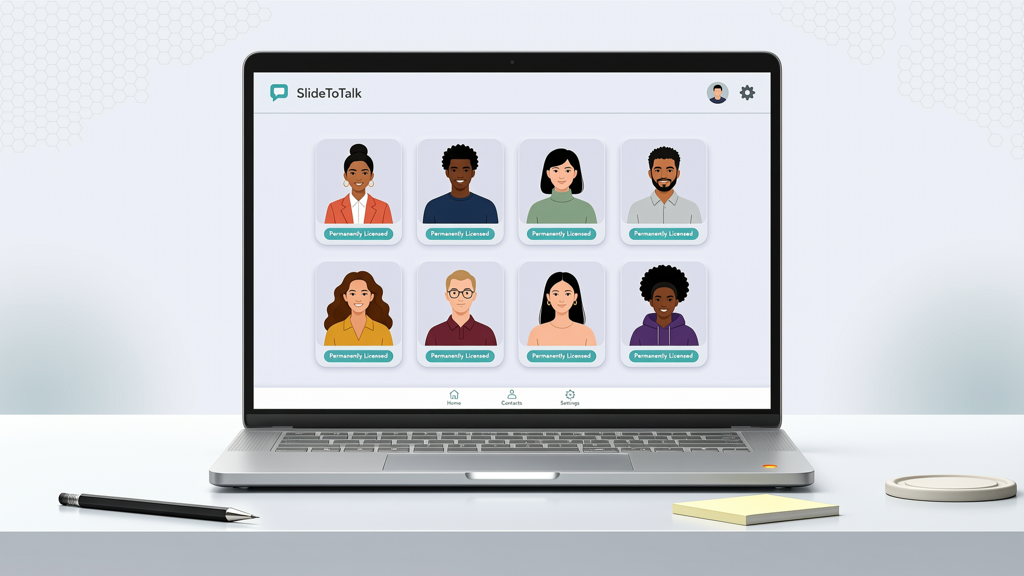
SlideToTalk follows a deliberate, asset-centric approach: it offers character packs as perpetual licenses. When you purchase a character pack—whether it’s a professional presenter, animated avatar, or industry-specific persona—you own lifetime access to that character for use in any presentation video you create with SlideToTalk.
Here’s what “perpetual” means in practice:
- No expiration date: Your purchased characters remain fully functional—even if you pause usage for months or years.
- No hidden reactivation fees: There’s no annual fee to “unlock” previously bought characters.
- Future-proof compatibility: As SlideToTalk evolves, all one-time character packs are maintained and updated to work with new versions of the platform.
- No usage caps: You can generate unlimited videos using your owned characters—no limits on duration, exports, or projects.
This model aligns with how many professionals treat creative assets: like fonts, stock footage, or design templates. Once licensed, they become part of your reliable toolkit—not a line item subject to quarterly review.
Importantly, SlideToTalk separates core platform access (free or low-cost entry) from premium character assets. You’re never forced to buy characters to get started—but when you do invest, it’s a lasting one-time commitment. That distinction makes character pack pricing explained refreshingly straightforward: you see the price, you pay it once, and you retain full rights.
The Subscription Alternative: What It Offers—and What It Requires

Most AI presentation tools operate on a recurring subscription model. While exact pricing tiers vary across providers—and we avoid citing unverified or time-sensitive numbers—the structural pattern remains consistent:
- Access-based licensing: Characters, advanced voices, and export options are bundled into tiered plans (e.g., Basic, Pro, Team).
- Time-bound permissions: If your subscription lapses, access to premium characters and features ends immediately—or reverts to a limited free tier.
- Auto-renewal dependency: Continued use requires uninterrupted billing. Missed payments, expired cards, or account changes can interrupt workflow without warning.
- Version lock-in risk: Some platforms restrict older character versions once newer ones launch—meaning past investments don’t always carry forward.
This model excels for teams needing rapid scalability, frequent feature updates, or shared access across departments. It also lowers initial entry barriers: users can test capabilities before committing significant capital. However, it introduces ongoing financial and operational dependencies that compound over time—especially when usage becomes habitual.
For example, a user who creates one polished presentation video per month may find subscriptions economical. But someone who produces dozens annually—or who builds a library of reusable video assets—faces steadily rising cumulative costs with no ownership upside.
Which Model Saves You Money? A Usage-Based Breakdown
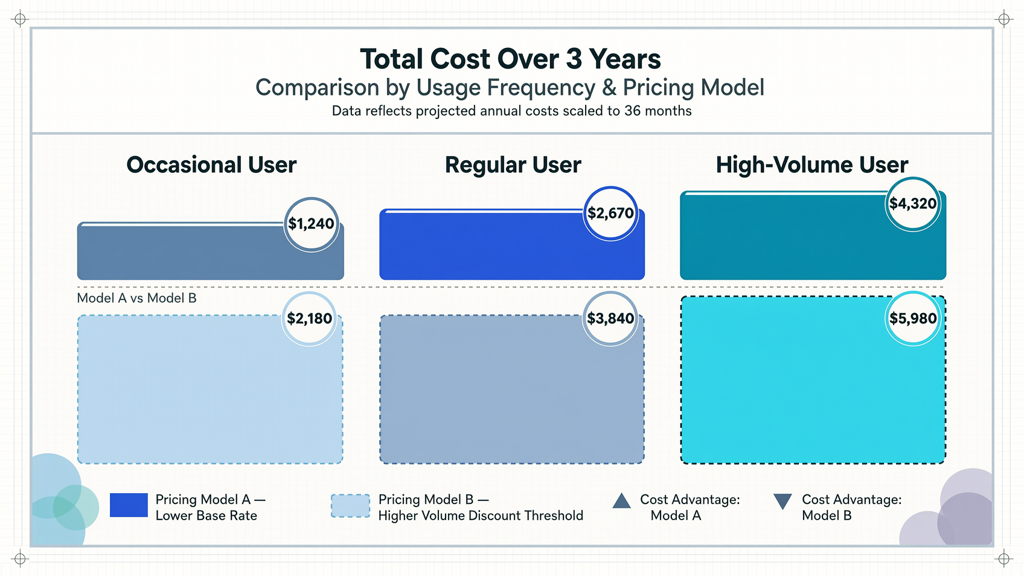
Cost efficiency isn’t about absolute price—it’s about total cost of ownership relative to your actual usage frequency. Below is a practical, realistic comparison based on common scenarios:
Scenario 1: Occasional or Project-Based Use (1–4 videos/year)
- Subscription path: Likely overpaying. Even at $15–$30/month, annual spend exceeds $180–$360—yet you may only need the tool for a single pitch or training module.
- One-time path: A single character pack (priced transparently, with no recurring strings) covers all your needs for that project—and every future one. No tracking renewal dates or managing billing cycles.
- Tip: If your video creation is tied to specific milestones (e.g., quarterly reports, investor updates), a pay once presentation video tool eliminates forecast uncertainty and reduces administrative overhead.
Scenario 2: Regular but Predictable Use (5–12 videos/year)
- Subscription path: May appear competitive on paper—but only if you use the tool consistently every month. Gaps in usage still incur full charges.
- One-time path: With SlideToTalk, purchasing one versatile character pack (plus optional extras) often matches or undercuts 12 months of subscription fees—while delivering permanent access and zero renewal friction.
- Tip: Calculate your average monthly usage. If you go >45 days between video projects, subscription fees begin subsidizing idle access—not active creation.
Scenario 3: High-Volume or Institutional Use (13+ videos/year)
- Subscription path: Can scale efficiently for large teams—but only if everyone uses the tool weekly. Underutilized seats inflate per-video cost.
- One-time path: SlideToTalk’s model allows selective investment: license only the characters your team actually deploys. No need to pay for unused avatars or redundant voice styles.
- Tip: For departments building standardized video libraries (e.g., HR onboarding, product demos), owning characters outright ensures consistency, compliance, and zero risk of sudden access loss.
Crucially, the one-time pricing vs subscription video tool comparison isn’t just arithmetic—it’s about resilience. Subscriptions introduce vendor dependency; one-time purchases return agency to the creator.
Making the Right Choice: Practical Decision Framework
Before selecting a pricing model, ask yourself these five questions:
- How often do I realistically create presentation videos? Be honest—not aspirational. Track your last six months.
- Do I reuse characters across multiple videos—or do I need variety per project? SlideToTalk’s one-time packs support both: buy one trusted presenter for consistency, or several for role-based scenarios.
- What happens if my budget shifts next quarter? With subscriptions, paused access means halted output. With one-time packs, your toolkit stays ready.
- Do I store or archive final videos externally? If yes, long-term character access matters less. If you frequently revise or repurpose source files, perpetual character rights prevent version conflicts.
- Is predictability more valuable than flexibility? Subscriptions offer flexibility to upgrade/downgrade. One-time purchases deliver budget certainty and zero renewal surprises.
Also consider intangible factors:
- Workflow interruption risk: Subscription expirations often coincide with deadlines—creating avoidable stress.
- Asset portability: While no AI tool lets you export character models, SlideToTalk’s perpetual license ensures your videos remain editable and reproducible using the same visual identity, indefinitely.
- Team onboarding: New team members inherit access to already-purchased characters—no provisioning delays or seat allocation debates.
Finally, remember: character pack pricing explained should never require fine print decoding. At SlideToTalk, pricing is upfront, asset-specific, and free of time-based restrictions. You decide which characters add value—and pay only for those, once.
Conclusion: Match the Model to Your Creative Rhythm
There is no universal “best” pricing model—only the model best aligned with your workflow, volume, and values. The one-time pricing vs subscription video tool decision ultimately reflects how you view creative software: as a utility to rent, or as an enduring asset to own.
If your presentation video needs are steady, intentional, and tied to long-term communication goals, SlideToTalk’s pay once presentation video tool model delivers clarity, control, and compounding value. You invest once, gain permanent access to expressive, professional characters—and never face a renewal reminder that undermines your creative momentum.
Conversely, if your needs are highly variable, experimental, or shared across transient collaborators, a subscription may provide useful agility—provided you actively manage renewals and monitor actual utilization.
Either way, prioritize transparency over convenience. Demand clear character pack pricing explained—not bundled assumptions. Choose a partner that respects your time, your budget, and your right to build without expiration dates. With SlideToTalk, that means turning slides into compelling videos—on your terms, not the calendar’s.
Try SlideToTalk free
Upload your PPT, PDF, or images. Add narration with text-to-speech or your own voice, and export a narrated video in one click.
Start for free →